Cuts and Scrapes: When to Treat at Home and When to Visit Premier ER + Urgent Care
Cuts and scrapes are among the most common minor injuries, and knowing how to treat them properly can prevent infection and speed up healing.


Written by: Corey Alexander
Published on: April 13, 2026
Got a cut or scrape and not sure what to do next? You’re not alone—it’s not always easy to tell whether it’s something you can handle at home or if it needs medical attention.
From kids playing hard outside to sports, weekend yard work, or even the occasional accident with a knife, cuts and scrapes are just part of everyday life. Most are minor and easy to treat, but deeper or more serious wounds may require stitches or extra care to heal properly.
At Premier ER + Urgent Care, serving Central Texas communities like Waco, Temple, and San Marcos, we treat cuts and scrapes every day and can help you decide the right next step for your injury.
Treat a Cut or Scrape at Home
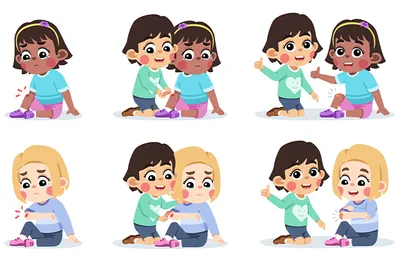
Not every scrape and cut needs a trip to the doctor. You can likely handle it at home if:
- The cut is shallow and has smooth edges.
- Bleeding stops after applying direct pressure for a few minutes.
- There’s no sign of dirt, debris, or foreign objects in the wound.
- The cut isn’t located on a sensitive area like the face, hands, or joints.
For these minor injuries, clean the wound thoroughly with soap and water, apply an antibiotic ointment, and cover it with a clean bandage. Keep an eye on it for signs of infection, such as redness, swelling, or pus.
When a Cut or Scrape Needs Medical Attention
Some cuts and scrapes need a little more than at-home care to heal properly and avoid complications. It’s a good idea to get medical attention if the wound is deep, jagged, or gaping, or if the bleeding hasn’t stopped after about 10 minutes of firm pressure.
You’ll also want to have it checked out if the injury is:
- Located on the face, scalp, hands, or over a joint.
- Caused by a bite, rusty object, or foreign material.
- There’s numbness or loss of function near the injury.
- The wound exposes muscles, veins, or bone.
- You’re concerned about scarring or cosmetic appearance.
Getting the right care early can help prevent infection, reduce scarring, and make sure everything heals the way it should.
Why Choose Premier ER + Urgent Care?
At Premier ER + Urgent Care, we’re equipped to handle any type of cut or laceration, no matter how big or small. From minor stitches to more complex wound care, our ER-trained team of doctors, nurses and medical professionals is here to provide the treatment you need—all under one roof. Find a location near you.